
September 2, 2026
Socrates said what?
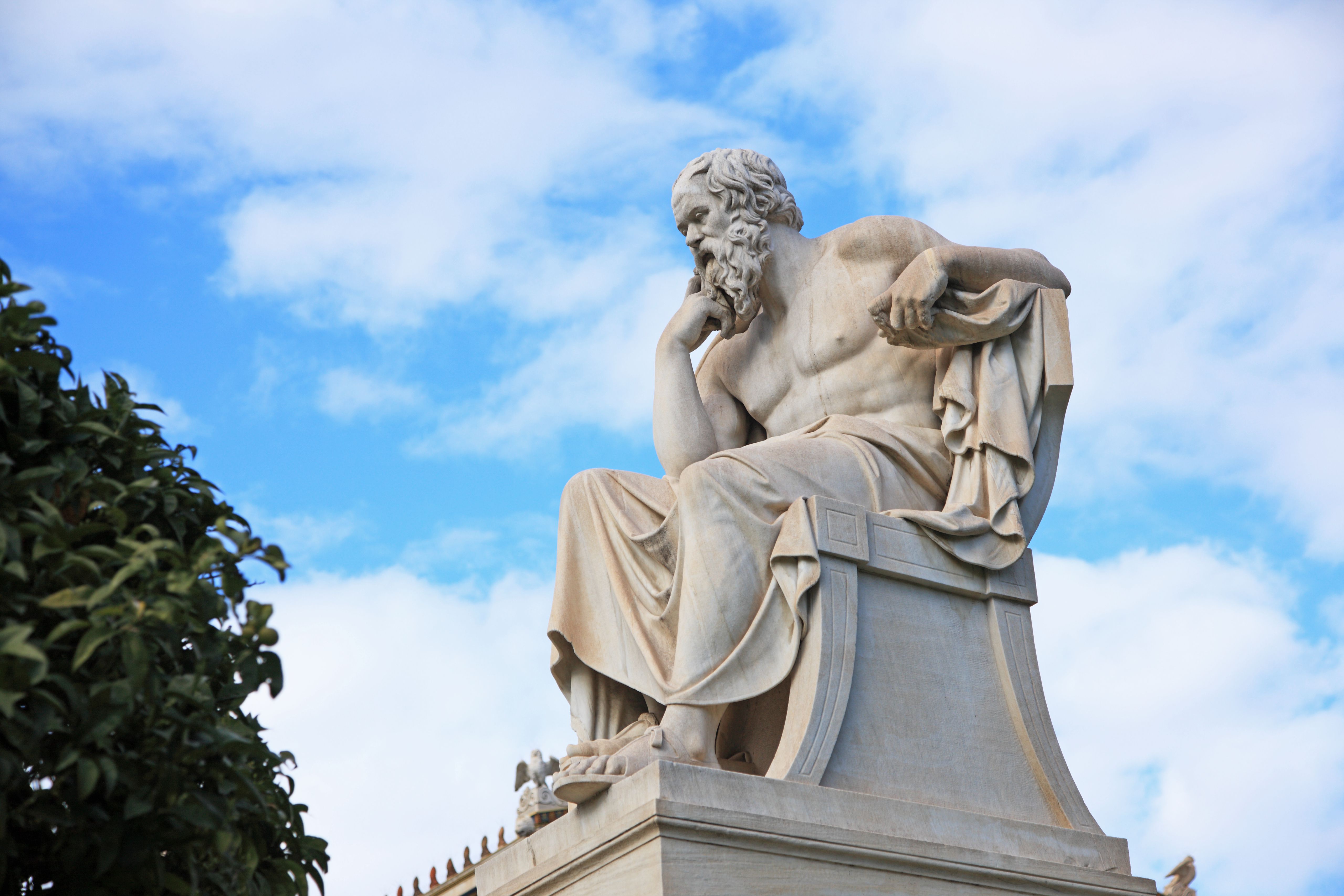
“This invention will produce forgetfulness in the minds of those who learn to use it, because they will not practice their memory.” – Socrates 370 BCE
Was Socrates predicting future technology? Did he know about AI almost 2400 years ago? Nope, he was talking about the latest invention at the time, writing. As opposed to oral memory, writing would now make it possible to remember vast sums of knowledge without having to “remember” it. (Thank you to my son-in-law Sean Piccirilli for the quote but it’s not actually from Socrates as Addie pointed out. In Plato’s Phaedrus written in 370 BCE, he has Socrates recounting an Egyptian story in which King Thamus criticizes the invention of writing. It’s not relevant, but it is accurate so thank you Addie.)
I don’t know about you but I know an AWFUL lot of people who are AI skeptics. Not so much the folks who are reading these posts as many businesspeople are fully embracing it but for others, it’s a gamble, a risk, even a threat. So, I was curious as to whether other world-changing technologies (and I use that word in a broader sense) also encountered this type of skepticism and resistance.
According to Victorian Voices, a digitized archive of Victorian magazines and books concerning the advent of the railroad, “The jolting of a railway carriage over the smoothest line tends to concuss the brain, to stupefy, to stultify it…”. This is from an 1885 article entitled “Railway Travelling in Comfort and Safety.”
Edison’s development of the first practical lighting system powered by electricity in 1879 had critics too. This quote from PBS describes some of the feelings at that time: “This violates the natural order. This is not the way light is supposed to be.”
Henry Ford’s manufacturing assembly line delivered industrialization at scale. When Ford introduced the moving assembly line in 1913, workers hated it. Ford's own historical account says employees found the work boring because they went from building substantial portions of a car to performing only one or two repetitive tasks. This makes sense, is true and understandable. But in the forward movement of our country and the world, this was not enough to stop industrialization from becoming very much integral to the world’s economy.
As for AI, well there is plenty of stuff out there about the dangers of AI and I’m sure you’ve seen a lot of it. You really can’t miss it.
But Socrates had a point. Writing really did change how humans used memory. And Ford's workers weren't wrong about what automation would do to their jobs. Electricity really was dangerous. Transformative technologies have consequences even when they eventually become commonplace.
And AI already has consequences, and we know there will be more.
The question isn't whether AI will be adopted. We couldn't stop this if we wanted to. The question is what we decide to preserve as humans in the loop as we adopt it.
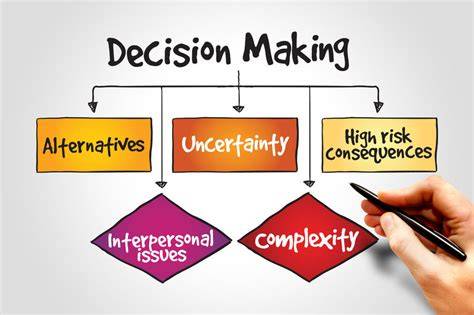
These decisions aren't just technical decisions for the companies building the models. They're society’s decisions. What thinking do we hand over? What decisions do we keep? Is there a threshold? And if so, where is it? These decisions will affect us now and in generations to come.
And we’re all making many of them right now.